
Español · Deutsch · Français · Nederlands · Português · Italiano
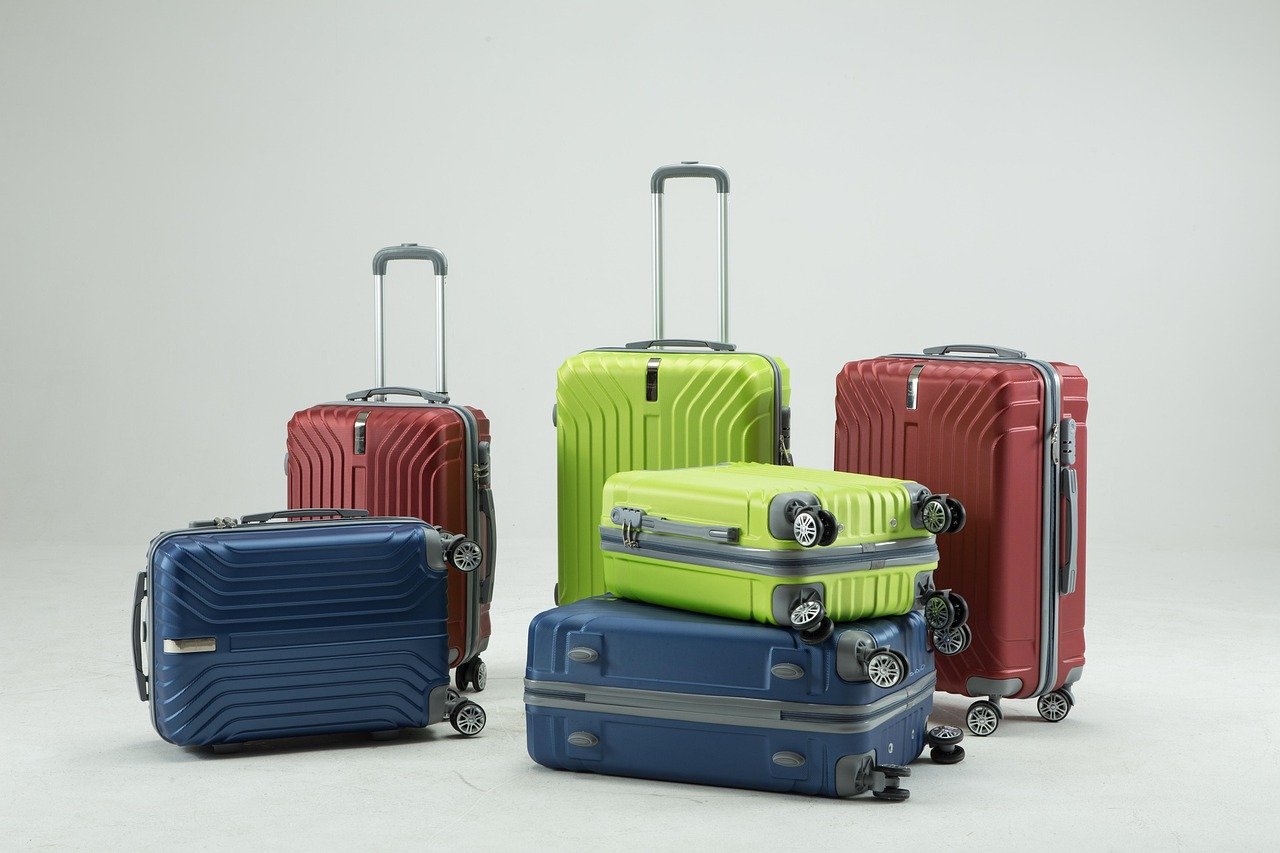
A luggage set looks like an easy buy: three matching suitcases, one price, done. But the carry-on that doesn’t fit the overhead bin, the wheel that snaps on the second trip or the zipper that splits at the airport can turn a bargain into an expensive mistake. In this guide I go through the 9 checks I make before buying any luggage set, so you pay once and travel for years.
Key Takeaways
- Size first: measure the carry-on including wheels and handles, and compare it with the strictest airline you fly.
- Weight matters: every kilo the empty suitcase weighs is a kilo less for your own things.
- Weak spots: wheels, handle and zippers break first, so test those before anything else.
- Value: a luggage set is only cheaper if you will really use every piece in it.
- Warranty: a clear repair policy is worth more than a long warranty full of exceptions.
1. Does the carry-on really fit your airline?
This is the check that matters most, because the carry-on is the piece with the least room for error. Airlines set their own cabin limits, and they differ more than most people think. The US security agency TSA itself advises travelers to confirm carry-on size with their airline, because TSA doesn’t set those limits.
Typical limits look like this. Always check your own booking, because airlines change their rules and fare types often decide what you may take.
| Type of airline | Typical cabin size limit | What it means for your set |
|---|---|---|
| Most US airlines | About 22 x 14 x 9 inches (56 x 36 x 23 cm), wheels and handles included | A 20 to 21 inch carry-on usually fits; 22 inch shells are often too big once wheels count |
| Many European full-service airlines | Around 55 x 40 x 23 cm, often with a weight limit of 7 to 12 kg | Watch the weight as well as the size |
| European low-cost airlines | Free bag often only an under-seat item (around 40 x 30 x 20 cm); a full carry-on costs extra | The smallest bag of your set, or a backpack, may be the one you take for free |
| IATA guideline | 56 x 45 x 25 cm (the “IATA Cabin OK” size) | A useful reference, but not a rule every airline follows |
Measure the whole bag, not just the shell
Product listings often give the size of the shell only. Wheels, feet, the top handle and the handle housing add to the outside size. If a listing says the shell is 21 inches tall and the wheels add 2 inches, the bag you take to the gate is 23 inches. Measure height, width and depth at the widest points as soon as the set arrives, while you can still return it.
Size for the strictest airline you use
If you fly with several airlines, buy for the strictest one. A carry-on that only just fits may pass at check-in and still be sent to the hold at the gate when the bins are full.
2. How much does the empty luggage set weigh?
Airlines limit weight as well as size. Checked bags on economy tickets are usually limited to 23 kg (50 lb), and some cabin allowances stop at 7 or 8 kg. A large hard-shell suitcase can weigh 4 to 5 kg empty, a carry-on 2.5 to 3.5 kg. That weight comes straight off what you can pack.
Look for the empty weight of each piece on the product page. If it isn’t listed, weigh the bags at home with a luggage scale. A light carry-on matters most, because cabin weight limits are the tightest.
3. Which shell material suits how you travel?
Most luggage sets are made of one of four materials. Each has a clear trade-off between weight, strength and price.
| Material | Strengths | Weak points | Best for |
|---|---|---|---|
| Polycarbonate (PC) | Light, flexible, absorbs impact without cracking easily | Scratches show; cheap blends can be brittle | Frequent flyers who check bags |
| Polypropylene (PP) | Very tough and light, resists impact well | Fewer colours and finishes; usually a bit pricier | Heavy use, rough baggage handling |
| ABS | Cheap and stiff | Heavier and more likely to crack on hard impact | Occasional trips, tight budgets |
| Soft-sided nylon or polyester | Light, outside pockets, can squeeze into tight spaces | Less protection for fragile items; fabric can tear | Road trips, people who want pockets |
A material name on its own doesn’t prove quality. Pure polycarbonate is better than an ABS and PC blend, so check which one you’re getting. For soft-sided bags, a higher fabric density (often given in denier, like 1680D ballistic nylon) usually means more abrasion resistance.
4. Spinner or two wheels?
Spinner suitcases have four wheels that turn 360 degrees. You can push them beside you without carrying any weight, which is easy on long airport floors and in narrow aisles. Two-wheel suitcases (inline wheels) are pulled behind you. They handle cobblestones, kerbs and gravel better, and the wheels are recessed, so they break less often.
Whichever you choose, check three things: double wheels per corner instead of single ones, wheels that can be replaced with a screwdriver, and smooth, quiet rolling on a hard floor. Wheels are the part that breaks most often, so replaceable wheels can add years to a set.
5. Is the telescopic handle solid?
Pull the handle all the way out, lean on it a little and move it from side to side. A slight movement is normal, but rattling, bending or a handle that sticks halfway are warning signs. Aluminium handles with two or more height settings last longer than thin steel ones.
Also check the carry handles on the top and side. You lift the suitcase by them onto scales, into car boots and onto luggage belts, so they should be screwed or riveted in, not just stitched to the lining.
6. Are the zippers strong enough?
Zippers fail more often than shells. Look for large, smooth-running zippers; a well-known brand such as YKK is a good sign. Coil zippers can often be closed again after they split, while chain zippers are harder to force open.
If you pack heavily, an expandable suitcase uses an extra zipper around the middle. That gives more space, but it’s also one more weak point. Hard-shell cases with an aluminium frame and clasps instead of zippers are the strongest, but they are heavier and more expensive.
7. Do the locks work with airport security?
For trips to or through the United States, choose locks marked as TSA-accepted (often with a red diamond logo). Security officers can open them with a master key if they need to inspect your bag, so they don’t have to break the lock. Built-in combination locks are handy, but set your own code before your first trip.
Keep expectations realistic. A suitcase lock stops casual opening and keeps zippers closed; it doesn’t make a bag theft-proof. Keep valuables, medicines and documents in your cabin bag.
8. Is there enough room and organization inside?
Open each piece and check the layout. A good hard-shell case has two halves with a zip divider or compression straps on both sides, so clothes stay in place. Interior pockets for small items, a laundry bag and a removable lining you can clean are nice extras.
Look at the capacity in litres as well as the outside size. Two suitcases with the same outside size can differ by several litres inside, depending on how thick the shell and the handle housing are.
9. What do the warranty and repairs cover?
Warranties range from one year to “lifetime”. The length matters less than what’s covered. Many warranties exclude damage caused by airlines, which is exactly when most suitcases break. Read whether wheels, handles and zippers are covered, whether you need to register the purchase, and whether the brand sells spare parts.
A company that sells replacement wheels and handles and has repair partners is often better value than a long warranty you can’t use in practice. Keep the receipt and take photos of the set when it arrives.
Check the luggage set in our shop
Is a luggage set better value than single pieces?
A matching luggage set usually combines a carry-on, a medium and a large suitcase, sometimes with a toiletry bag or a small personal bag. The pieces nest inside each other, so they take up the space of one suitcase at home. Per piece, a set is usually cheaper than buying three separate bags of the same quality.
The catch is simple: it’s only a good deal if you’ll use every piece. If you mainly travel with hand luggage, one excellent carry-on is a better buy than three average suitcases. If you’re a family that travels with checked bags, a set gives you the right size for every trip.
| Situation | Better choice |
|---|---|
| Mostly short trips with hand luggage | One good carry-on, bought separately |
| Family holidays with checked bags | A 3-piece luggage set |
| Long trips of two weeks or more | A set with a large or expandable suitcase |
| Mixed trips, one traveller | A 2-piece set: carry-on plus medium suitcase |
Which luggage set fits your kind of trip?
- City breaks and business trips: a light carry-on that fits the strictest airline, with a laptop sleeve or front pocket.
- Beach and family holidays: a 3-piece hard-shell luggage set in polycarbonate or polypropylene, with spinner wheels.
- Backpacking and road trips: soft-sided bags or two-wheel suitcases that handle rough ground.
- Frequent flyers: pay more for a tough shell, replaceable wheels and a clear repair service; the cost per trip ends up lower.
Frequently asked questions
What size luggage set do I need?
Most people do well with a carry-on of about 55 cm, a medium suitcase of about 65 to 70 cm for a week, and a large one of about 75 to 80 cm for longer trips. Check your airline’s limits before choosing.
Is hard-shell or soft-sided luggage better?
Hard-shell protects fragile items better and is easier to clean. Soft-sided is lighter, has outside pockets and fits into tight spaces. Choose by how you travel, not by looks.
Are cheap luggage sets worth it?
For one or two trips a year they can be. For frequent travel, the wheels, handles and zippers of cheap sets often fail early, so a better luggage set is cheaper per trip.
Do I need TSA locks outside the US?
No, but they are useful if you ever fly to or through the United States, and they cost nothing extra on most sets.
Sources
Airline size and weight limits change often. Always check your airline and ticket type before you travel.
Disclosure: some links in this article lead to our own shop or are affiliate links. If you buy through them, we may earn money at no extra cost to you.
Read next
 SendPulse Review: 500 Free Subscribers, Features & PricingUpdated 25 Nov 2026
 aweber review: 500-Subscriber Free Plan, Pricing & LimitsUpdated 26 Nov 2026
 ClickFunnels Review 2026: Honest Pricing, Plans, Pros and ConsUpdated 26 Nov 2026
More guides from the Business & Tools Desk
Get our free Subscription & Bill Cancellation Tracker
Sign up for our weekly email and download the tracker for free: list every subscription, see what it costs you per year, get a renewal calendar and ready-to-send cancellation letters. One short email a week with our latest guides. No spam; unsubscribe with one click.